
From Ovulation to Pregnancy
What is ovulation?
Each month, your ovaries produce eggs that develop into tiny sacs called follicles. During ovulation, the follicle ruptures and releases an egg. This usually occurs two weeks before menstruation. The days before ovulation are the most fertile days of your cycle. During this period, the cervical mucus is translucent to help the sperm reach the egg and fertilise it. You can closely monitor your cervical mucus to know your ovulation.
How does fertilization happen?
When the follicle releases the egg, it triggers the release of a hormone that thickens the lining of the uterus to prepare it for the arrival of the egg. After being released, the egg will move into the fallopian tube, where it will remain for 24 hours waiting to be fertilised by a sperm, and if the egg is not fertilised, it will pass through the uterus and disintegrate. The thickened lining of the uterus is then removed from your body in the form of menstruation and the ovulation cycle begins again.If a sperm manages to reach the top of the vagina, cross the cervix and penetrate the fallopian tubes, it can then penetrate the egg and fertilise it. After this fertilisation, no other sperm can penetrate the same egg.
How to improve your chances of conceiving?
A better lifestyle
A balanced diet and healthy lifestyle can increase your chances of conceiving a child. You and your partner can cut down on alcohol, stop smoking, be physically active and supplement your diet with vitamins such as folic acid and zinc. It is also advisable to consult your doctor to determine the best diet for you.
Identifying your most fertile days
The fertility period is different for every woman depending on the length of her cycle, but it can also vary from month to month.
You can track your fertility period using an ovulation test or by monitoring your cycle with the help of an app or a fertility monitor. You can also determine when you are most fertile by observing the appearance and colour of your cervical mucus.
Near ovulation, the consistency changes to help sperm pass through the cervix. You are at your most fertile when your cervical mucus is clear and stretchy like egg white. You can also track your ovulation by monitoring your basal body temperature (body temperature at rest), which rises when you are ovulating. Being healthy and informed is the first step.
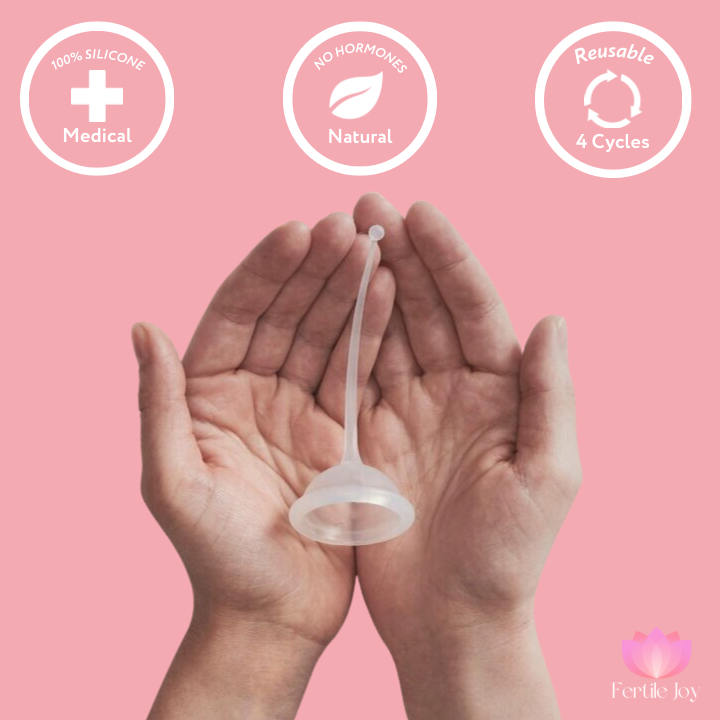
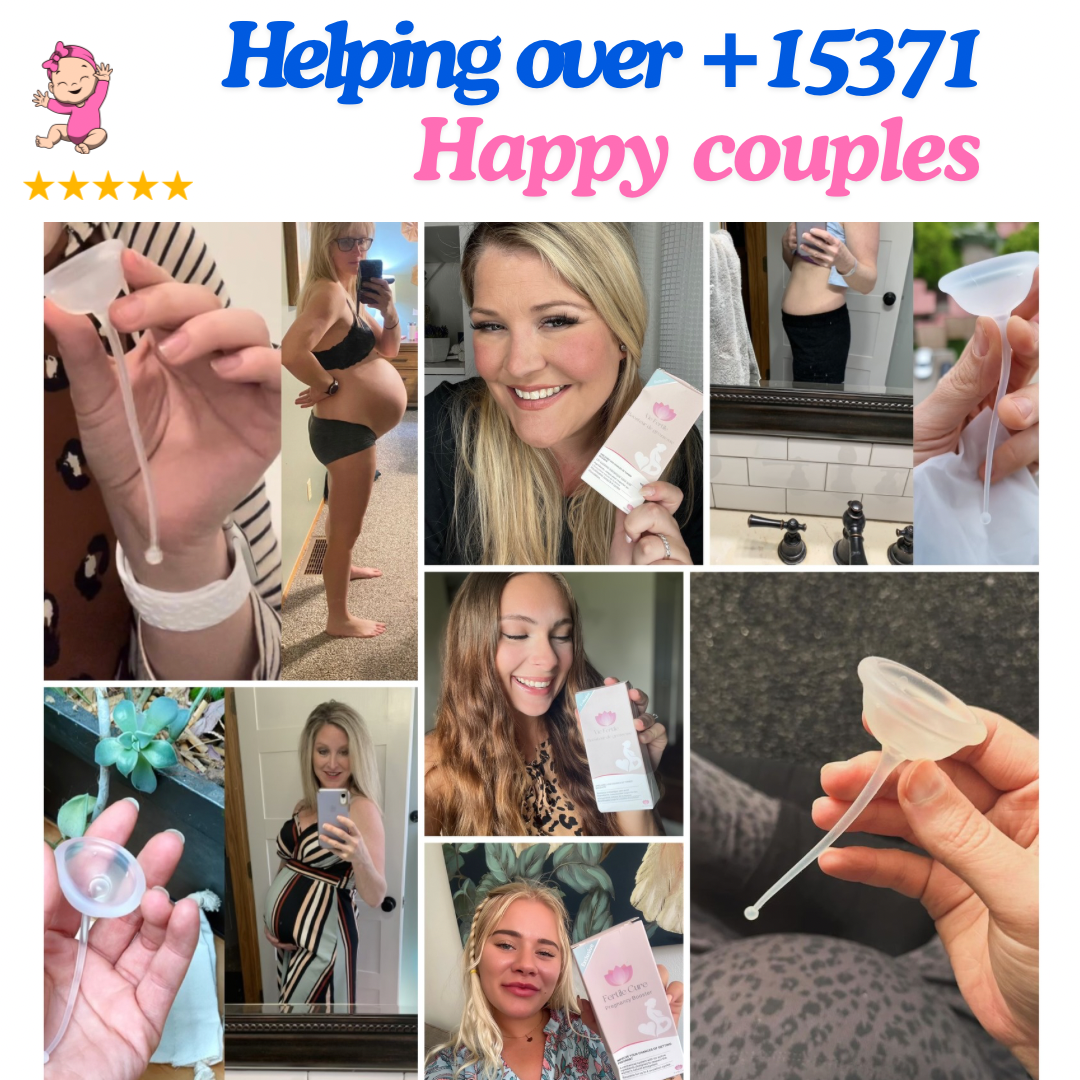
The Fertilecure Pregnancy Booster does more than manage your lifestyle, it can increase your chances of conceiving. By using it during your most fertile days, you increase your chances with every use by up to 48%
Difficulties conceiving
How long does it take to get pregnant?
Whether it's your first pregnancy or not, it's completely normal to make several attempts before getting pregnant. Statistically speaking, you are more likely to conceive after trying for a year than in just one month. The odds of conceiving after three, six and twelve months of trying are estimated at 68%, 81% and 92% respectively, so don't give up hope!
The effects of stress
We are exposed to various sources of stress in everyday life. The pressure related to conception can add anxiety. When you fail to get pregnant quickly, you worry more and more and try all possible solutions. However, the best thing to do is to try to relax. Stress affects your fertility, and putting pressure on yourself only makes the situation worse.
Age and fertility
At the age of 22, a woman is most fertile, with a 20-30% chance of getting pregnant at each attempt. By the age of 35, her chances have decreased by 50%, while her partner's sperm count decreases by 35% by the age of 30.
It's important to keep in mind that as you get older, your chances decrease. However, most of us don't try to get pregnant at 22, and many women get pregnant after the age of 35.
Give nature a little boost by putting all the odds on your side. The Pregnancy Boosters are designed to give you that extra push!
Get a Discount On Your Bundle Today!
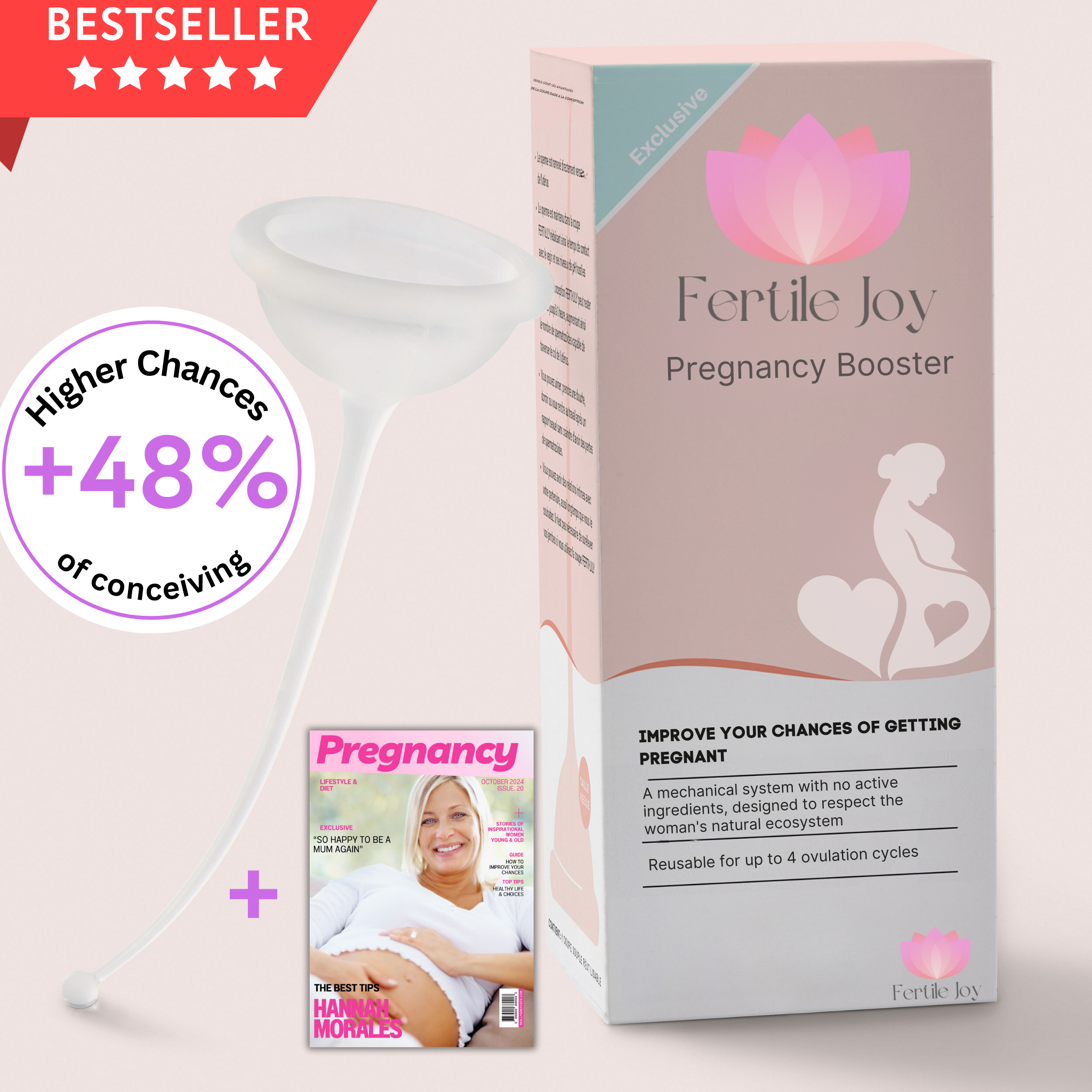
48% increase in possibilities
Try yours now! ↓